




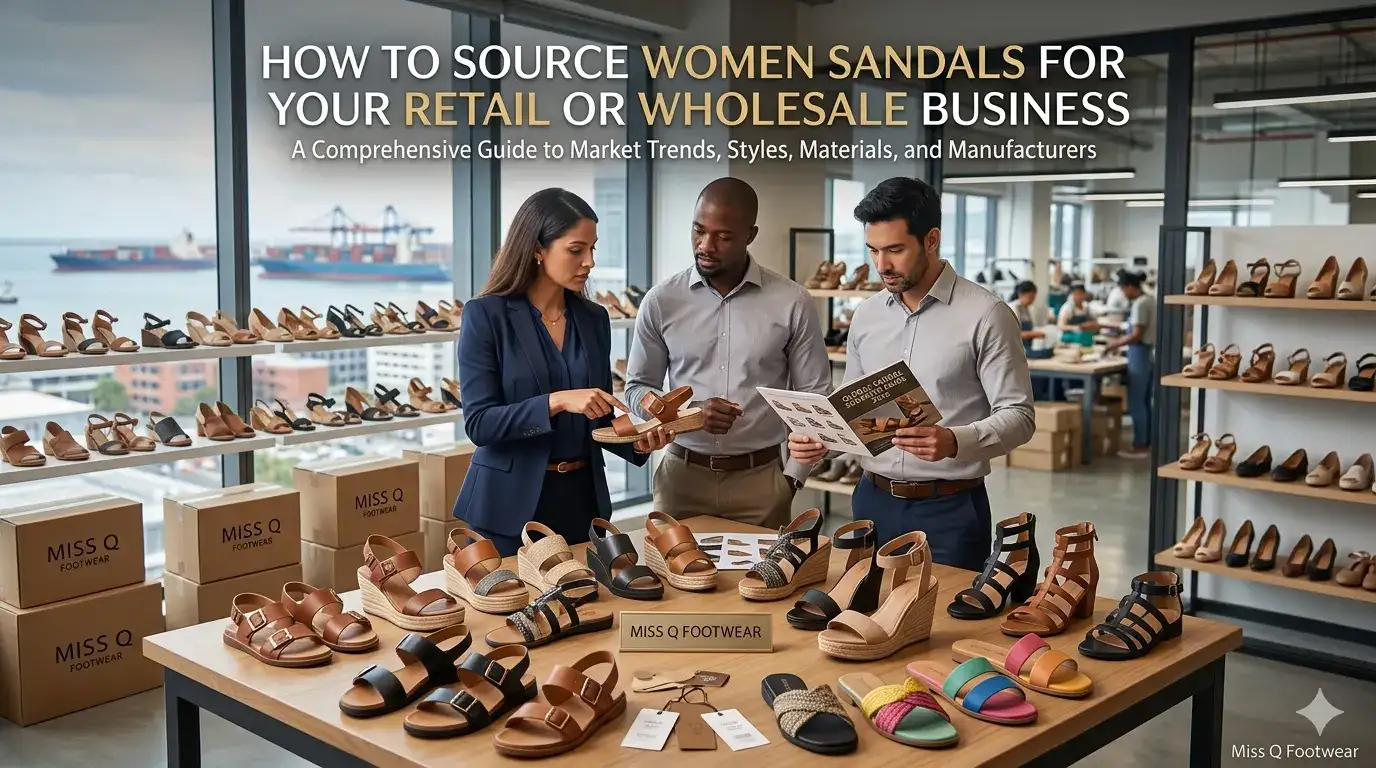
Sourcing the right footwear is a major step for any business looking to grow in the fashion industry. If you are searching for a reliable Wholesale Women Sandal solution, you need to understand how the market works and what makes a product stand out. This guide explains every step of the sourcing process, from understanding market trends to selecting the best materials and finding trustworthy manufacturers. By following these professional insights, you can ensure your inventory meets customer expectations and your business remains profitable in a competitive environment.
The global market for women’s sandals is huge and keeps growing every year. People all over the world wear sandals not just for fashion but also for comfort and daily use. Understanding the demand helps you decide which products to buy for your store or warehouse.
The demand for women’s sandals is high in almost every country. Modern shoppers look for designs that are both stylish and easy to wear. Recently, there is a big shift toward sustainable fashion. Buyers now prefer sandals made from recycled materials or eco-friendly leather. Online shopping has also increased the demand, as more women buy footwear from digital marketplaces.
Sandals are mostly popular during the summer season and for resort wear. When the weather gets warm, people look for open-toe shoes like slides and flip-flops. However, in tropical regions, the demand stays steady throughout the year. If your business is in a colder region, you should plan your stock at least three to four months before summer starts so you are ready for the peak buying season.
The market is divided into three main parts:
The United States, Europe, and the Middle East are the biggest importers of women’s sandals. These markets have strict rules about quality, so if you are sourcing for these regions, you must ensure your supplier follows international standards.
To be a successful buyer, you must know the different styles available. Each style serves a different purpose and appeals to a specific type of customer.
Flat sandals have a very thin or no heel. They are the most common type for daily wear. Women use them for walking, going to the beach, or casual outings because they are very comfortable and easy to pack.
Platform sandals have a thick sole that is uniform from the front to the back. They give the wearer extra height without the discomfort of a high heel. These are very trendy in modern street fashion.
Wedges have a solid sole that functions as both the heel and the base. They provide more stability than traditional heels. Many women prefer wedges for outdoor events like garden parties because the heel does not sink into the grass.
Heeled sandals come in various heights, from small kitten heels to high stilettos. They are usually worn for formal events, parties, or office wear. The straps can be thin or thick depending on the design.
These sandals have multiple straps that go across the foot and sometimes up the ankle or leg. They have a very bold look and are popular in summer fashion collections.
Slides are open-back and open-toe sandals. You just slide your foot in. They are perfect for casual use, gym wear, or lounging at home. Many brands now make stylish slides with logos or embellishments.
Sport sandals are built for activity. They have strong velcro straps and rugged soles with good grip. They are great for hiking, walking long distances, or water activities.
These are specially designed for foot health. They have extra arch support and soft cushioning. Older customers or people who stand for long hours usually look for these types of sandals.
The material determines how long the sandal will last and how comfortable it will feel. As a buyer, you must check the materials before placing a bulk order.
The upper part of the sandal is what people see first.
The sole is the bottom part that touches the ground.
The insole is where the foot rests. Good insoles use memory foam or padded latex to provide comfort. If the insole is too hard, the customer will find the sandal uncomfortable.
Many factories now use recycled rubber, organic cotton, or vegan leather. Using these materials can help you attract customers who care about the environment.
Knowing how sandals are made helps you talk to suppliers more effectively. It also helps you understand why some designs take longer to produce.
The process starts with a sketch or a 3D model. The factory creates a sample based on these designs. This stage is where you decide the colors, materials, and decorations like beads or buckles.
Once the design is ready, large sheets of leather or fabric are cut into specific shapes using metal dies or laser cutting machines. This must be very precise to ensure all sandals in a size are identical.
The cut pieces are then joined together. In high-quality sandals, the pieces are stitched. In cheaper versions, they might be glued (bonded) together. Stitching is always stronger and lasts longer.
The upper part of the sandal is attached to the sole. This is usually done using strong industrial heat and glue. For some styles, the sole is also stitched to the upper for extra strength.
The final step is cleaning the sandals, removing any extra glue, and checking for defects. After passing the quality check, the sandals are packed into boxes or bags ready for shipping.
If you want to build your own brand, you should look for suppliers that offer customization. This allows you to sell unique products that no one else has.
Most factories can print or emboss your brand logo on the insole or the heel of the sandal. This makes the product look professional and helps with brand recognition.
You can choose specific colors that match your brand’s theme. Instead of buying standard colors, you can request the factory to dye the materials in your chosen shades.
Instead of standard brown boxes, you can design your own colorful boxes with your logo and social media handles. Good packaging makes a great first impression on your customers.
Some large manufacturers have their own design teams. They can help you create new styles if you have an idea but don't know how to draw it technically.
Quality is the most important factor for repeat business. If your sandals break quickly, customers will not buy from you again. You should ask your supplier about their testing methods.
The leather or fabric should not tear easily. Factories test this by pulling the material with machines to see how much pressure it can take.
The sole needs to bend as the person walks. If the sole is too stiff, it might crack. A flex test involves bending the sole thousands of times to ensure it stays in one piece.
Sandals should have a good grip on different surfaces. This is very important for safety, especially for sandals used near water or on smooth floors.
A sample of the sandal is worn by a person to check for any sharp edges or uncomfortable pressure points. Good factories have "wear testers" to give feedback on the fit.
If you are selling in the US or Europe, you must ensure the materials do not contain harmful chemicals like lead or phthalates. Always ask for certificates like REACH or CPSIA.
One of the biggest problems in the footwear business is incorrect sizing. You must provide a clear size chart to your customers.
Different regions use different numbers. For example, a US size 8 is an EU size 39. You should have a conversion table on your website or in your catalog to help buyers choose the right fit.
It is helpful to provide a guide that shows how many centimeters or inches each size is. This is the most accurate way to help customers find their size, especially when buying online.
|
EU Size |
US Size |
UK Size |
Foot Length (cm) |
|
36 |
5 |
3 |
22.5 |
|
37 |
6 |
4 |
23.5 |
|
38 |
7 |
5 |
24.0 |
|
39 |
8 |
6 |
25.0 |
|
40 |
9 |
7 |
25.5 |
MOQ is the smallest number of items a factory is willing to sell to you. This is a big factor for small businesses.
Most large factories require you to buy at least 500 to 1,000 pairs per style. This is because they have to set up machines and buy materials in bulk.
Some suppliers specialize in small orders and might allow you to buy 50 or 100 pairs. However, the price per pair is usually higher when the order is small.
Before you buy hundreds of sandals, always ask for a sample. This allows you to check the quality and fit yourself. Most factories charge for samples, but they often refund this cost when you place a large order.
Understanding the cost helps you negotiate better prices and set your own profit margins.
The type of material is the biggest part of the price. Real leather costs more than PU. Labor costs depend on where the factory is located and how complex the design is.
Adding your logo or custom boxes will add a small amount to the cost of each pair. Bulk discounts are usually available; the more you buy, the cheaper each pair becomes.
Finding the right women sandal supplier is the key to a stress-free business. Do not just look at the price; look at the reputation.
You should check if the factory actually exists. You can do this by asking for a video tour or checking their business license. Many people use third-party inspection companies to visit the factory for them.
Ask the factory how many pairs they can make in a month. This is important if your business grows quickly and you need more stock fast.
A factory that already exports to your country will know the shipping rules and quality standards. This makes the whole process much smoother.
Packaging protects the sandals during shipping and helps with your branding.
Individual boxes are great for retail stores because they look professional. However, they take up more space in the shipping container. Bulk packing (putting many pairs in one large carton) is cheaper and saves money on shipping.
Using recycled cardboard boxes or reusable cloth bags is a great way to show your brand cares about the planet.
Shipping can be expensive, so you need to choose the right method.
Sea freight is much cheaper for large orders but takes several weeks. Air freight is very fast (a few days) but costs a lot more. Most wholesale buyers use sea freight for their main stock.
Learning from others' mistakes can save you a lot of money and time.
To stay ahead of your competitors, you should know what is coming next in fashion.
More brands are using mushroom leather, recycled ocean plastic, and natural cork for their sandals. This is not just a trend; it is the future of footwear.
The "ugly sandal" trend (chunky, comfortable sandals) is very popular. Women want shoes they can wear all day without pain.
Sourcing women's sandals requires a careful balance of fashion knowledge and business logic. By understanding the different types of sandals, the materials used, and the manufacturing process, you can build a collection that appeals to your target market. Remember that quality and sizing are the foundations of customer trust, so never skip the testing and verification phases. Planning your orders according to seasonal demand and staying aware of future trends like sustainability will give your business a strong advantage.
Successfully managing your inventory involves finding a supplier that offers the right MOQ and customization options for your brand's growth. Whether you are looking for budget-friendly slides or premium leather wedges, clear communication with your manufacturer is essential. By avoiding common mistakes and choosing the right shipping methods, you can ensure your products arrive on time and in perfect condition, allowing you to focus on selling and expanding your retail or wholesale reach.
When you are ready to take the next step in your business, finding a partner who understands these details is vital. If you need high-quality designs and reliable production for your next collection, we are here to help you succeed.
Miss Q Footwear provides high-quality manufacturing and wholesale services tailored to your specific business needs. Whether you are looking for the latest summer trends or comfortable daily wear, we offer the support and expertise required to bring your vision to life.
Would you like me to create a specific list of the most popular sandal designs for the upcoming 2026 summer season to help you plan your next order?
Sourcing the right footwear is a major step for any business looking to grow in
READ FULLThe footwear market in 2026 is changing very fast. Many shop owners and online
READ FULLBuying shoes is a part of daily life for every woman. However, the way you buy
READ FULL